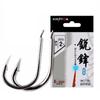
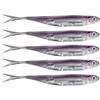
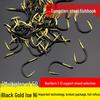
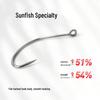
Hign-concerned Chemical : None
Position : Lake
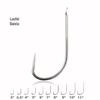
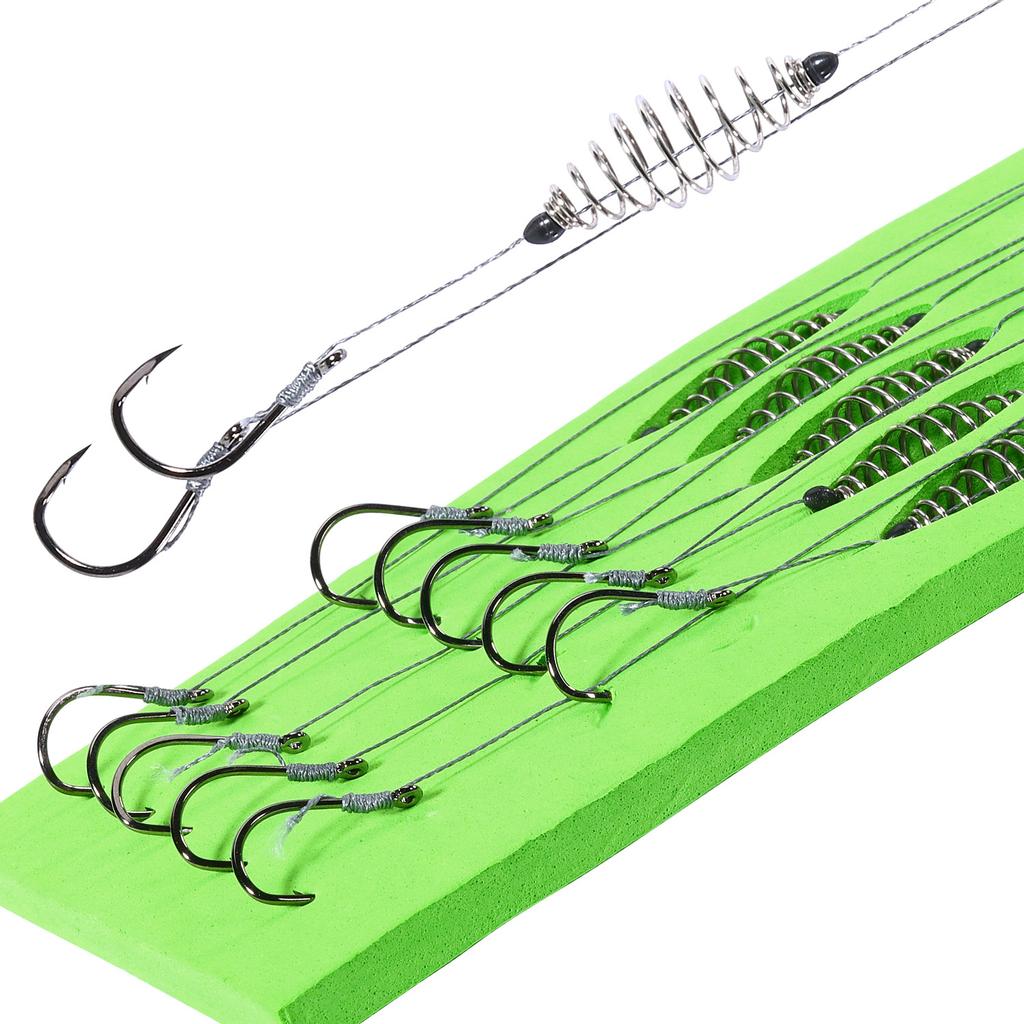
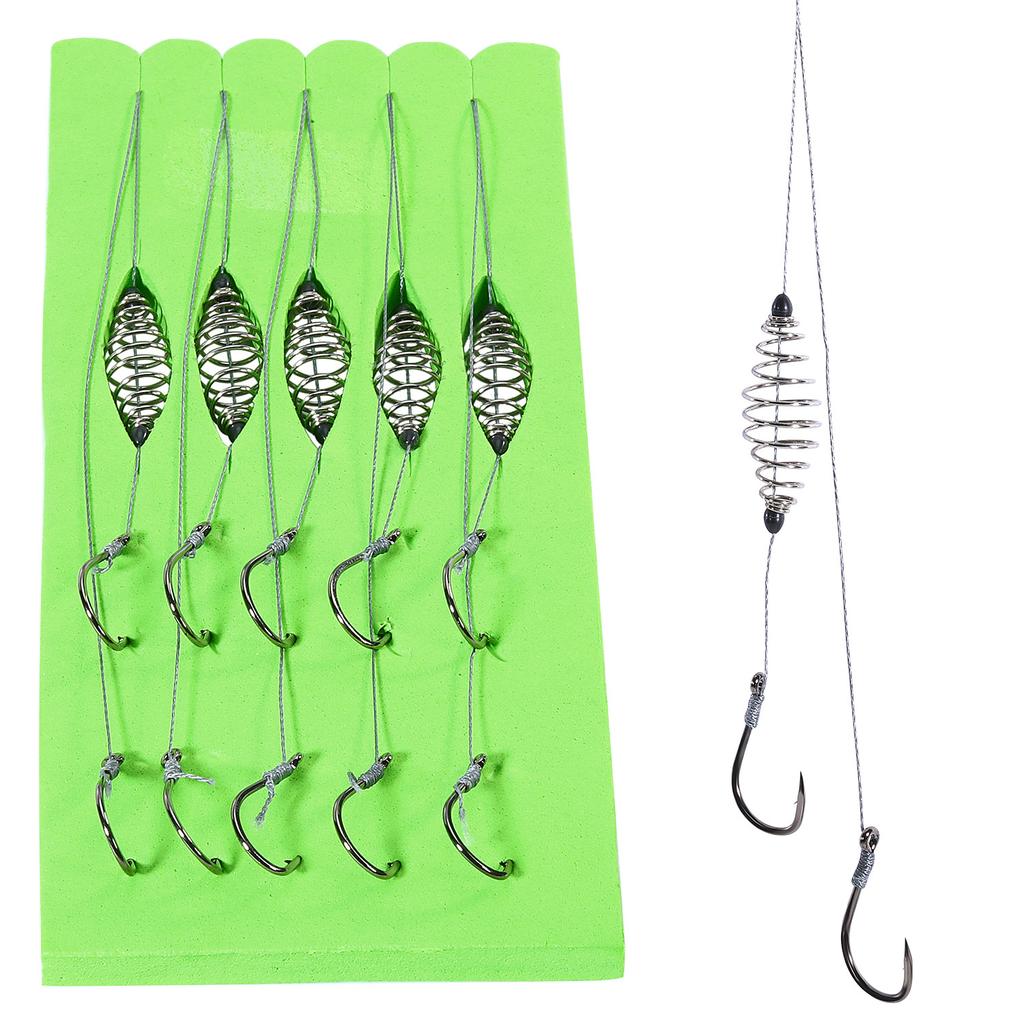
Type : Barbed Hook
Shape : Crank
Material : Carbon Steel
With Ruler or Not : No
Origin : Mainland China
Versatile Fishing Environment
Ideal for lake fishing, these hooks are versatile and can be used in various angling scenarios.
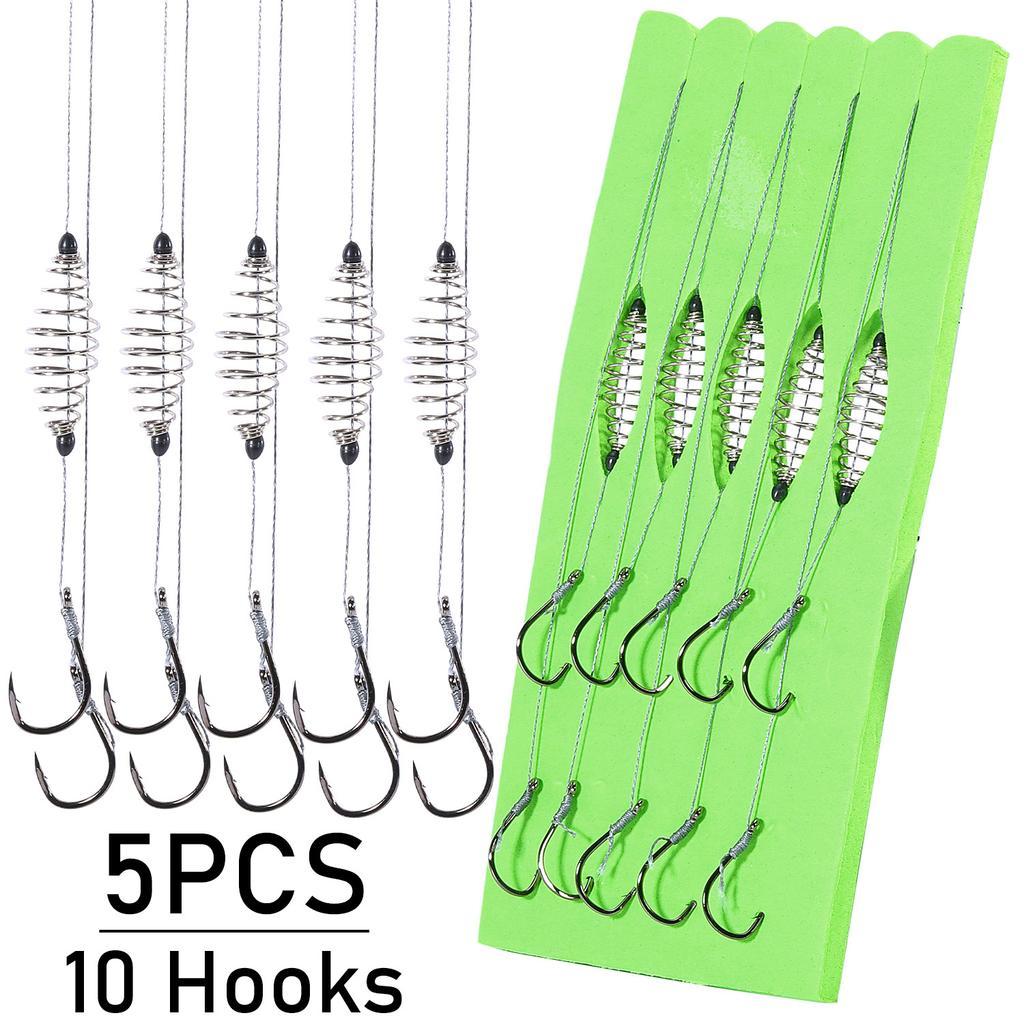
Set of 5
This set includes five hooks, providing ample supply for multiple fishing trips or emergencies.
Durable Carbon Steel Material
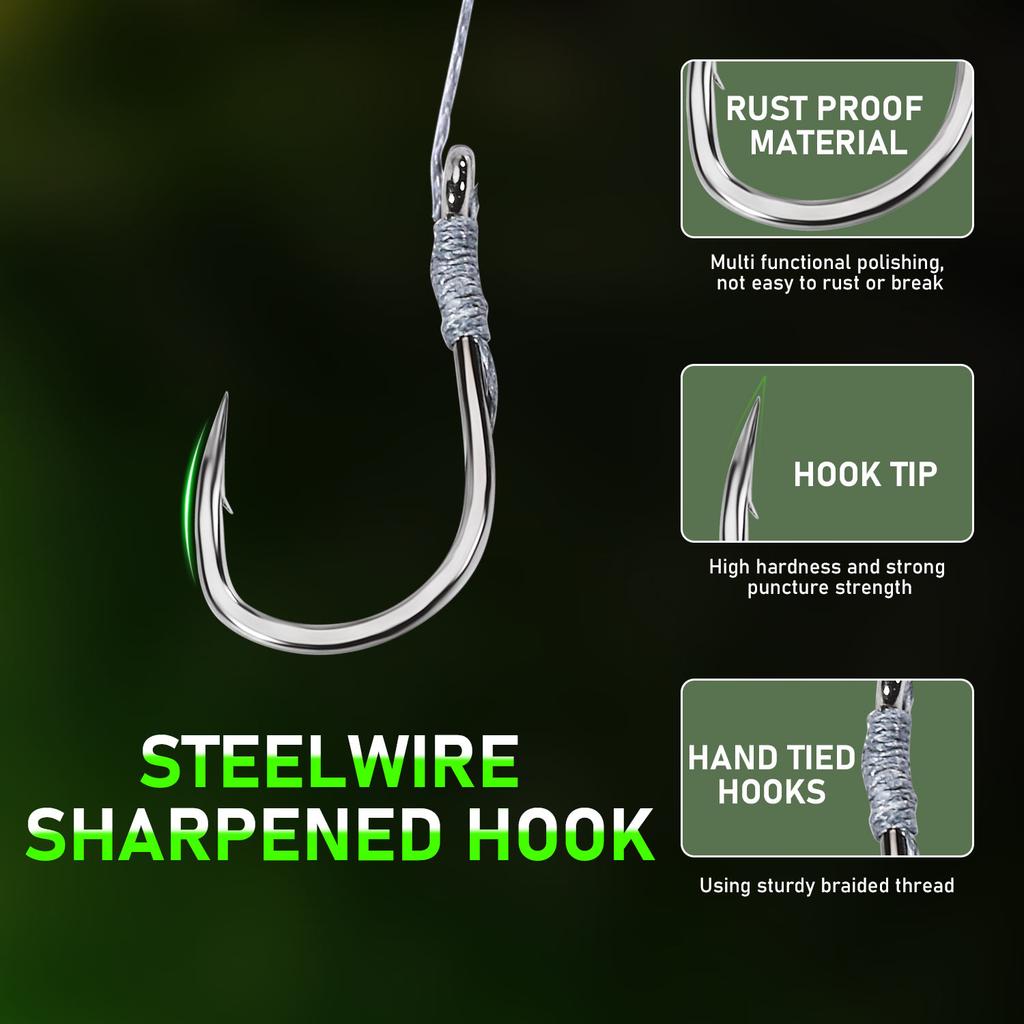
Crafted from high-quality carbon steel, these bass fishing hooks offer exceptional durability and sharpness for repeated use.
Sharpness
The sharpness of these hooks guarantees quick and efficient baitcasting, enhancing your fishing experience.
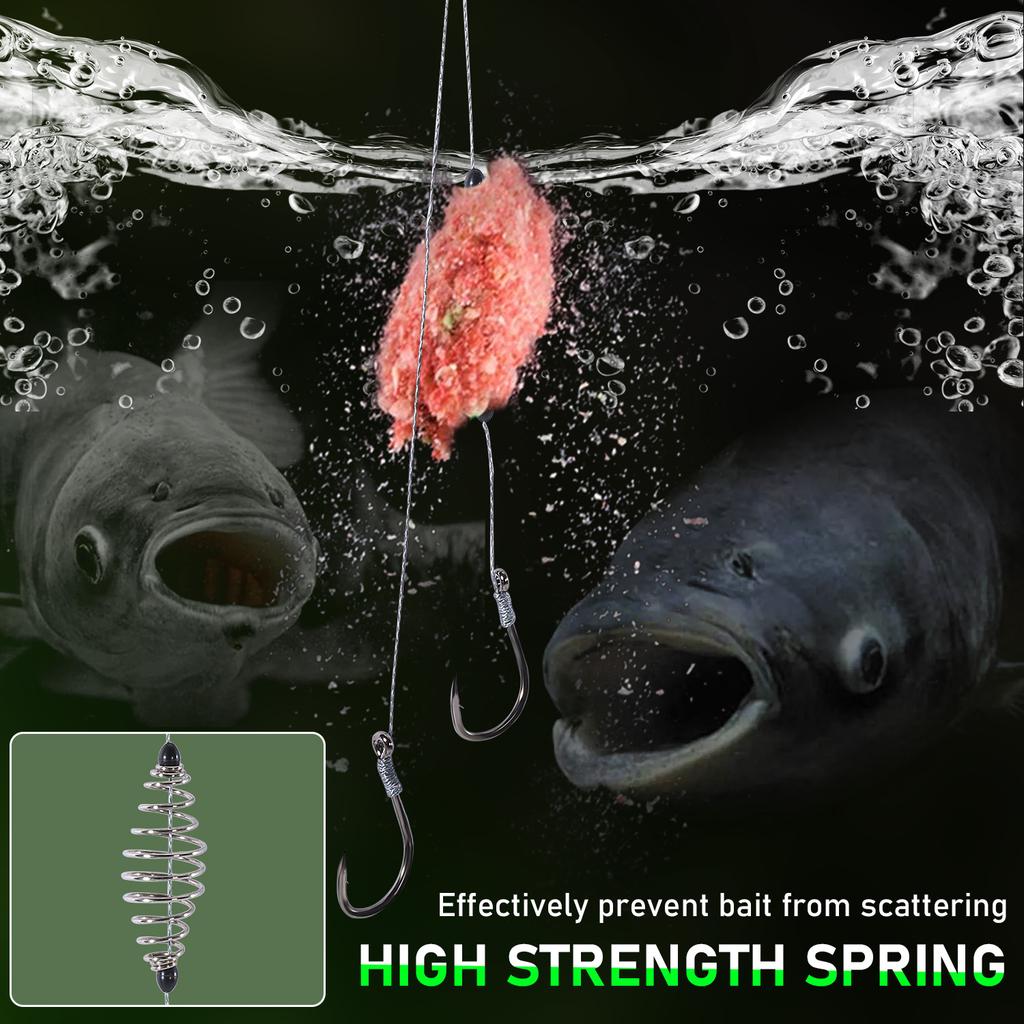
Barbed Hook Design
The barbed hook design ensures secure grip on fish, reducing the risk of loss during retrieval.
Water temperature has an impact on fish's aggressive behavior: at 15-20℃, fish tend to chase baits that swim at medium speed, and submerged mino is more suitable; at high temperature environments above 25℃, the water surface bait effect is more significant. Water quality transparency affects the color selection of baits: Use natural color baits in clear waters, and are suitable for fluorescent or noise-type baits under muddy water conditions. Water flow velocity affects the control of the bait: heavy baits such as lead hooks or more than 10g need to be used to maintain the swimming layer, and light baits can be used to finely operate the slow flow area.
Target fish species habits
Different fish species have different responses to baits: bass is more sensitive to baits that swing horizontally, and Mino's "zigzag move" is prone to attacks; mandarin fish mostly live in obstacle areas, and soft bait jumps at the bottom is better; sea bass has the habit of group swimming and predation, and Spinnerbait's quick search can trigger collective attacks. The attack strength of the fish species affects the choice of bait: the pike has a strong bite force and needs to be matched with a reinforced fish hook; the trout has a small crack, so it is suitable to use small baits of 3-5cm.
Operational Technology
The frequency of the rod drawing determines the rhythm of the bait: when fishing for fish, you need to draw quickly (1 time/second) to simulate the escape of small fish; when fishing for mandarin fish, you need to draw slowly (1 time/3 seconds) to imitate the injured creature. The line-collapse speed is related to the control of the swimming layer: the faster the line-collapse speed, the greater the diving depth, and the abnormal swimming posture needs to be created through the "collapse-stop-collapse" technique. The timing of stinging fish varies depending on the type of bait: when using hard bait, you need to wait for the fish to bite and then lift the rod, while soft bait should be stinging fish at the moment of the fish's attack.


 No-delivery refund