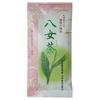
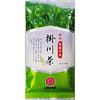
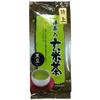
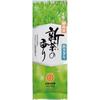
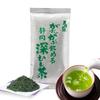
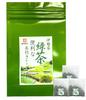
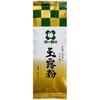
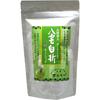
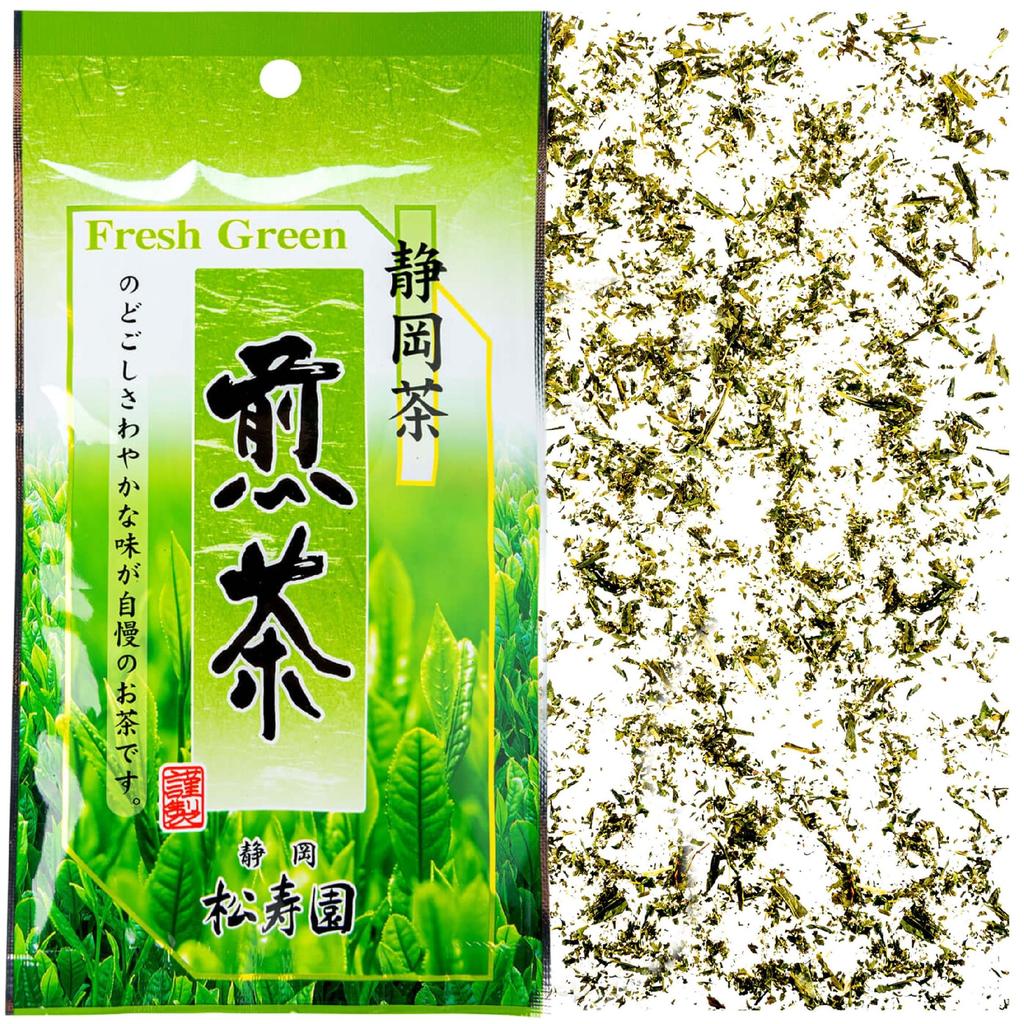
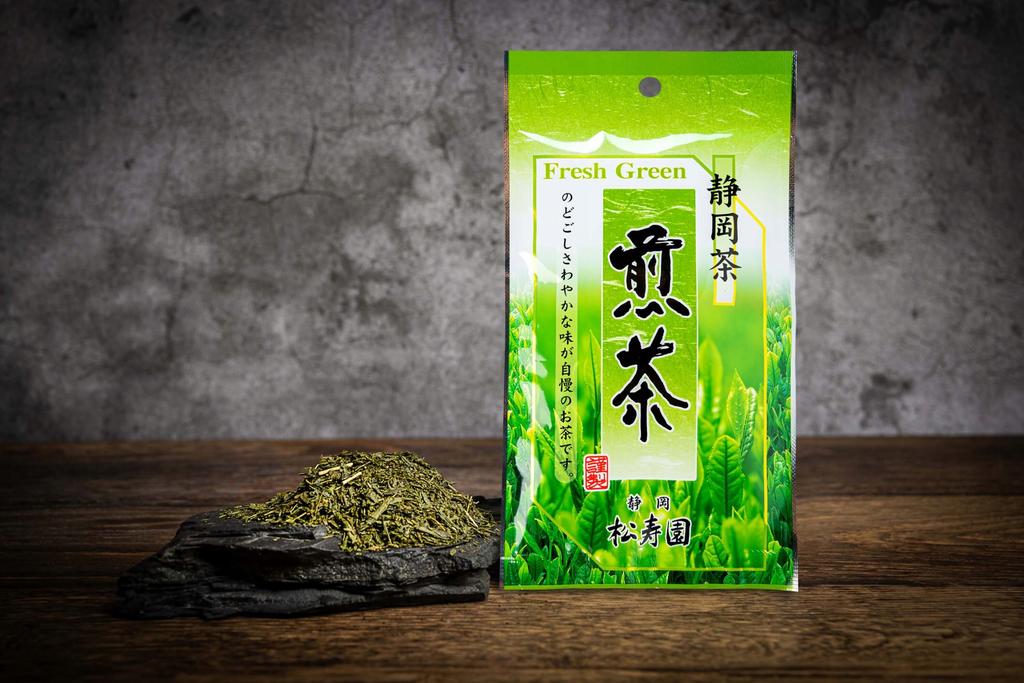
Green tea, Japanese Sencha 50 gSencha from Shizuoka Prefecture is one of the most valued Japanese green teas, famous for its exceptional taste, aroma, and quality. Located in the central part of Japan, at the foot of Mount Fuji, Shizuoka is the largest producer of green tea in the country, and its favorable climate and fertile soils make the Sencha grown there exceptionally rich in flavor.. This tea is characterized by a delicate, fresh, and slightly grassy flavor, with subtle notes of sweetness and moderate bitterness.
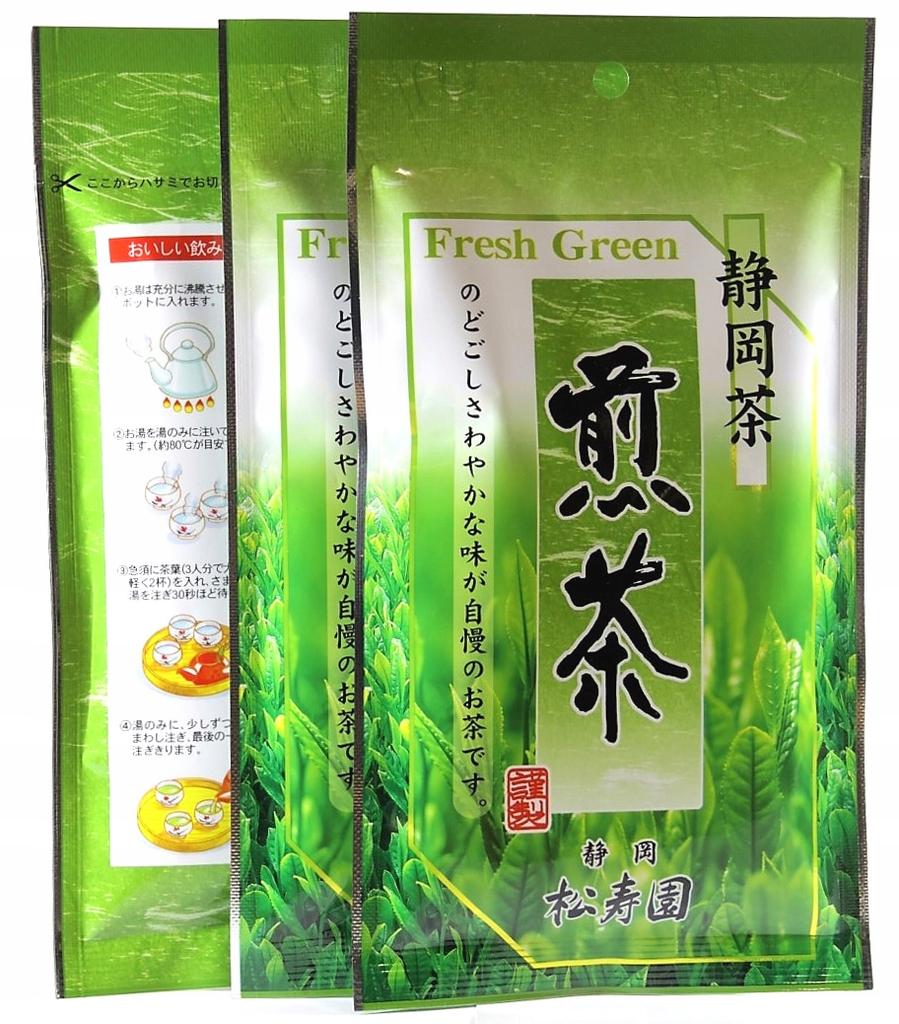
Classic Japanese Sencha 50gIngredients: Japanese green tea, original imported Japanese product, package contains 50g of teaManufacturer:Maruka (Shouju-en) Co Ltd.
The production process of Sencha from Shizuoka involves steaming freshly picked leaves, which helps preserve their intense, bright green color and richness of flavor and aroma.. The art of brewing this tea is crucial for its final taste, and tea lovers appreciate the variety of taste experiences that can be obtained by experimenting with water temperature and brewing time.. Sencha from Shizuoka is an excellent choice for both beginners and advanced tea enthusiasts who want to discover the richness of Japanese tea tradition and enjoy its many health benefits. Brewing method:We brew with water at temp. 80-90°C for ok. 1 min., recommended amount - 1 teaspoon per cup (120ml), A smaller amount will result in a more delicate infusion.
The process of steaming tea, also known as "steaming" (jap. steamed, mushi), is a technique used mainly in the production of Japanese green teas, such as Sencha, Fukamushicha, or Gyokuro. It involves subjecting freshly picked tea leaves to the action of steam to stop the fermentation process and preserve their green color, taste, and aroma. During steaming, the tea leaves are spread on special racks or conveyor belts and then moved through a chamber with hot steam.. This process usually takes from 30 seconds to a few minutes, depending on the type of tea and the desired final effect.. Steaming deactivates the enzymes responsible for fermentation, allowing the tea to retain its bright green color, fresh taste, and delicate, grassy aroma. After the steaming process, the leaves are cooled and dried, and then subjected to further production stages such as rolling, shaping, and sorting.. The duration of the steaming process affects the consistency, taste, and aroma of the finished tea – longer steaming leads to softer leaves, a deeper flavor, and a more pronounced aroma.



 No-delivery refund