Comprehensive Overview of ESP32 Series Development Boards
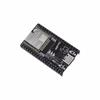
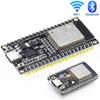
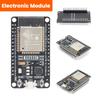
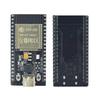
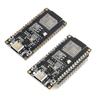
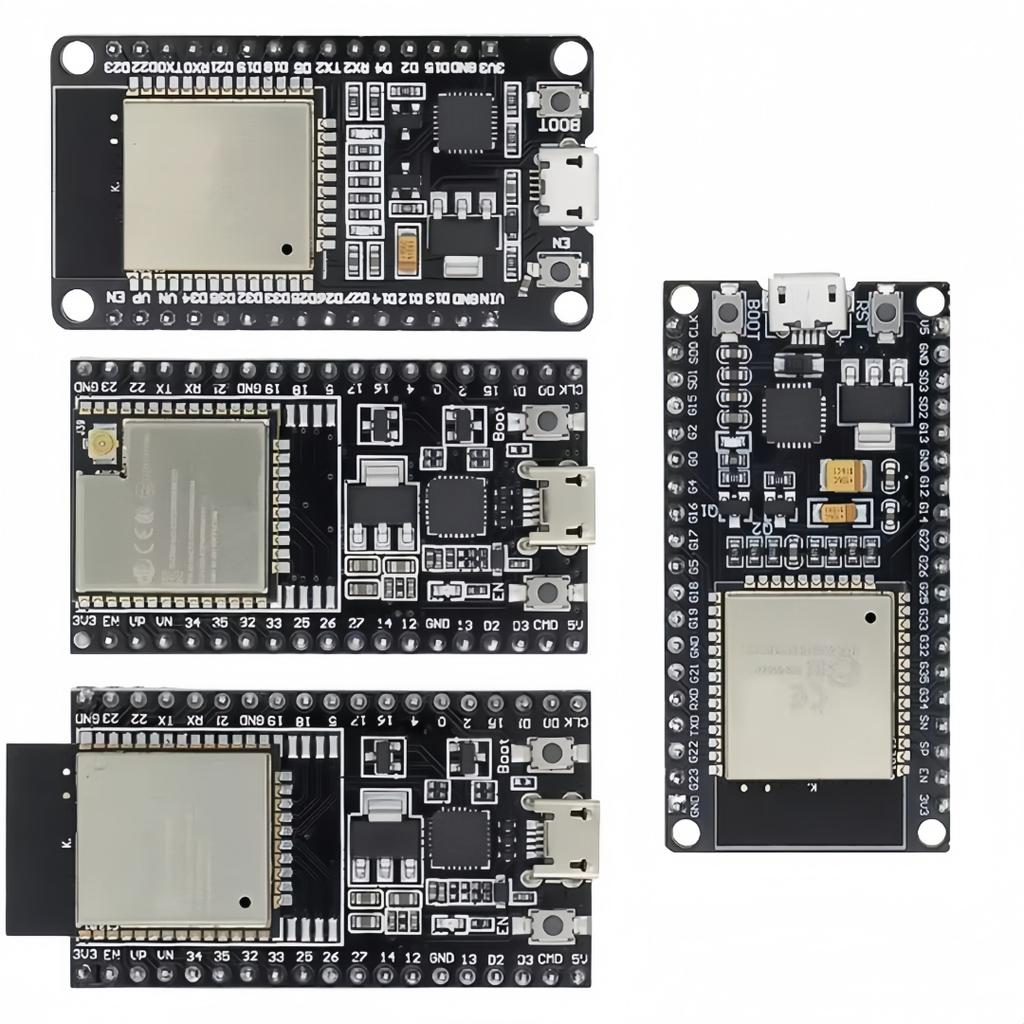
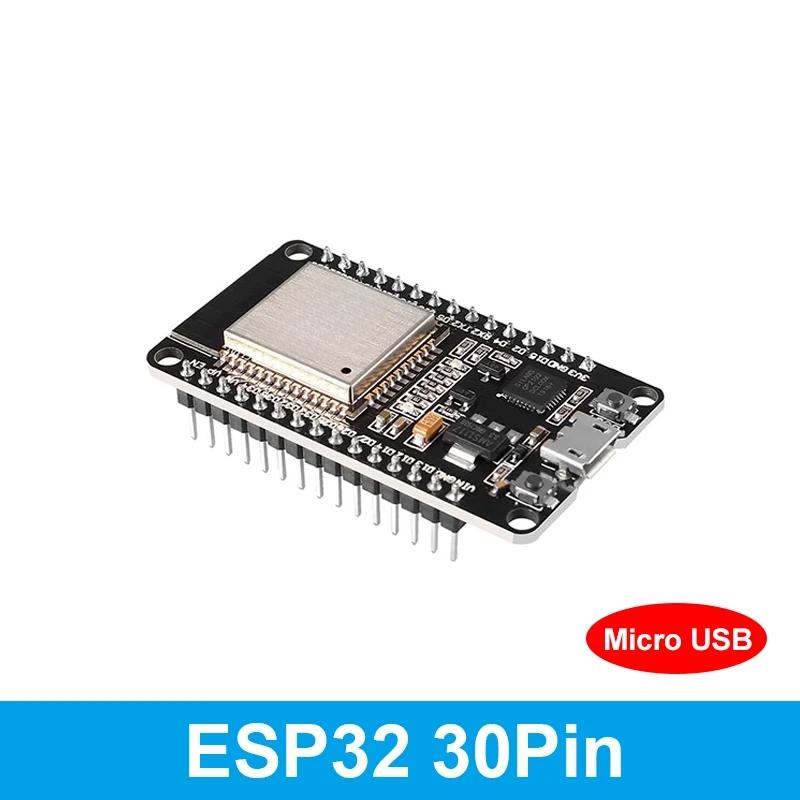
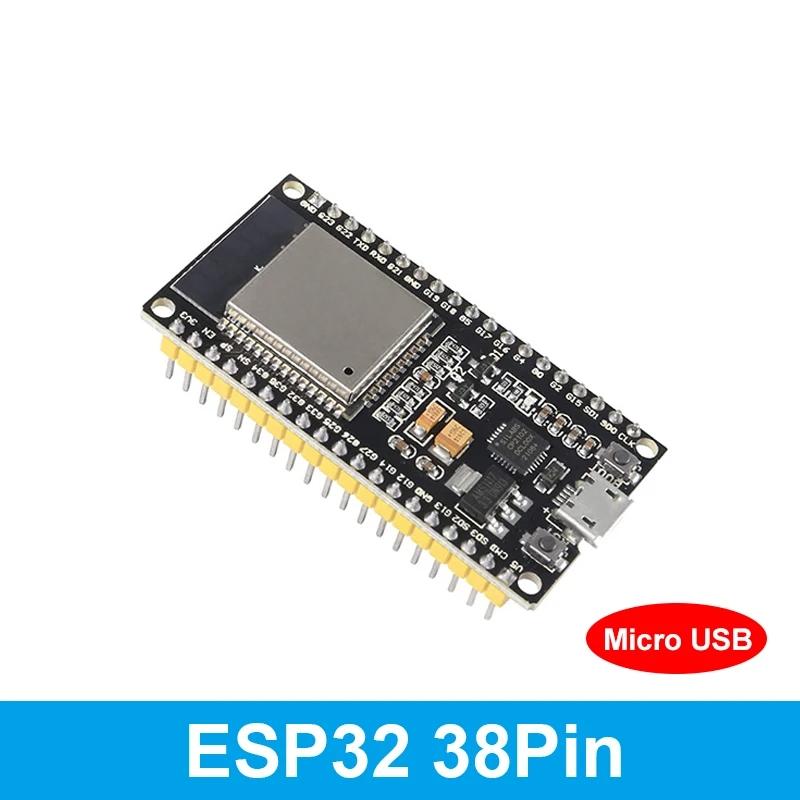
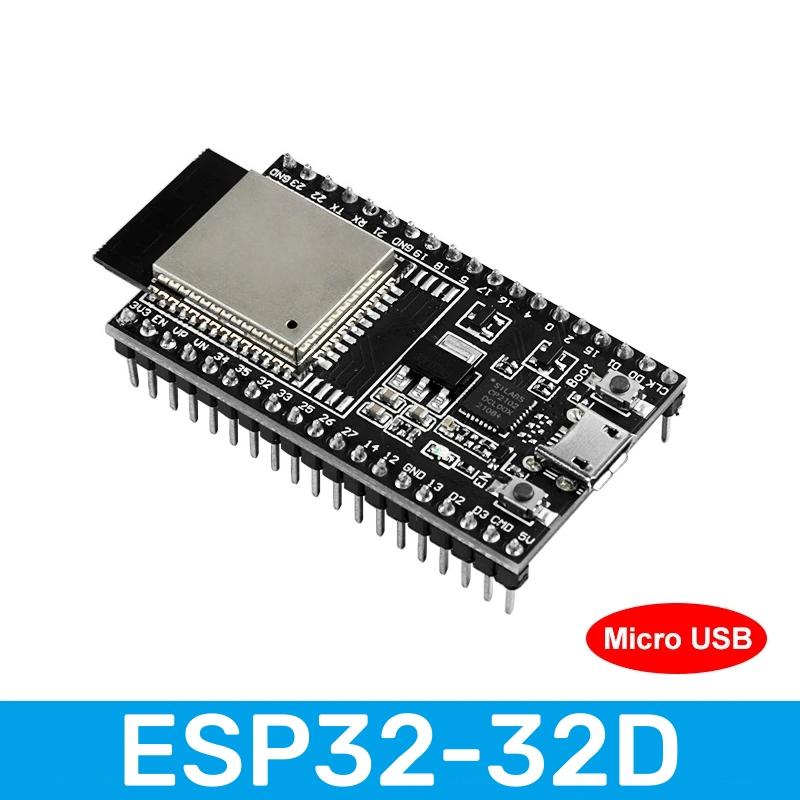
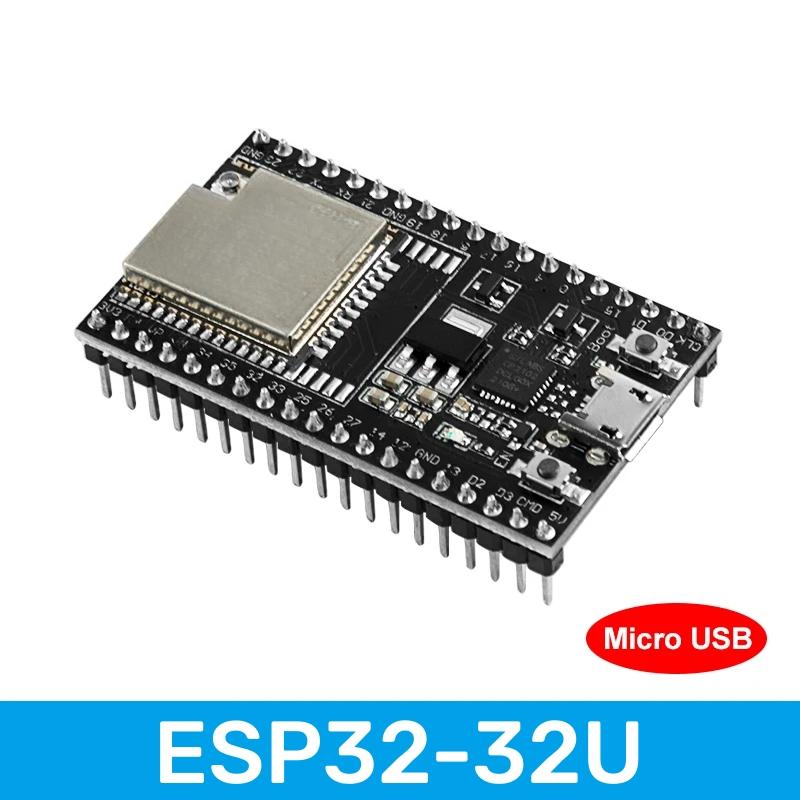
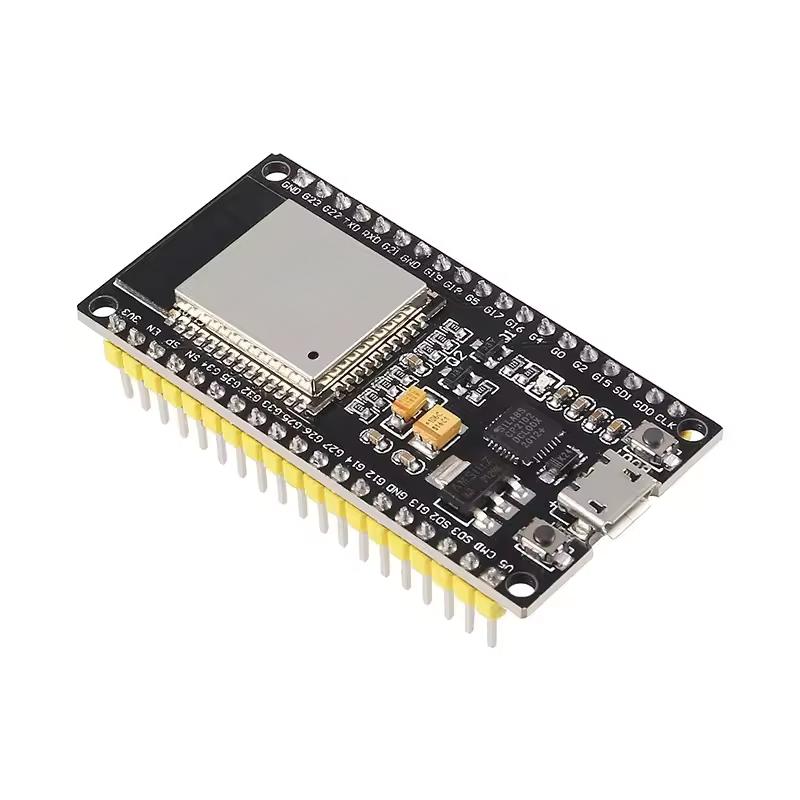
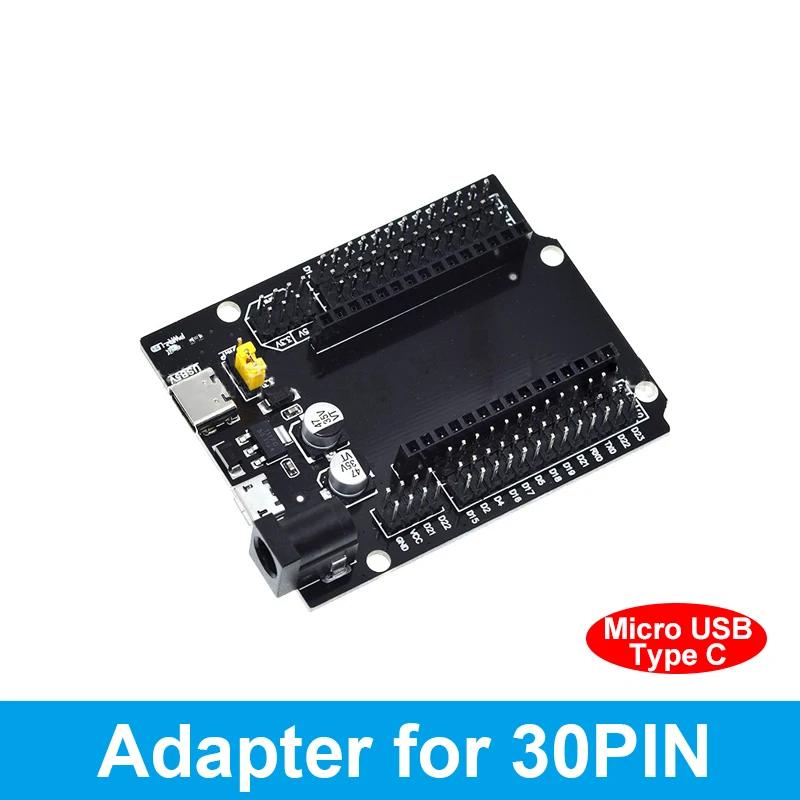
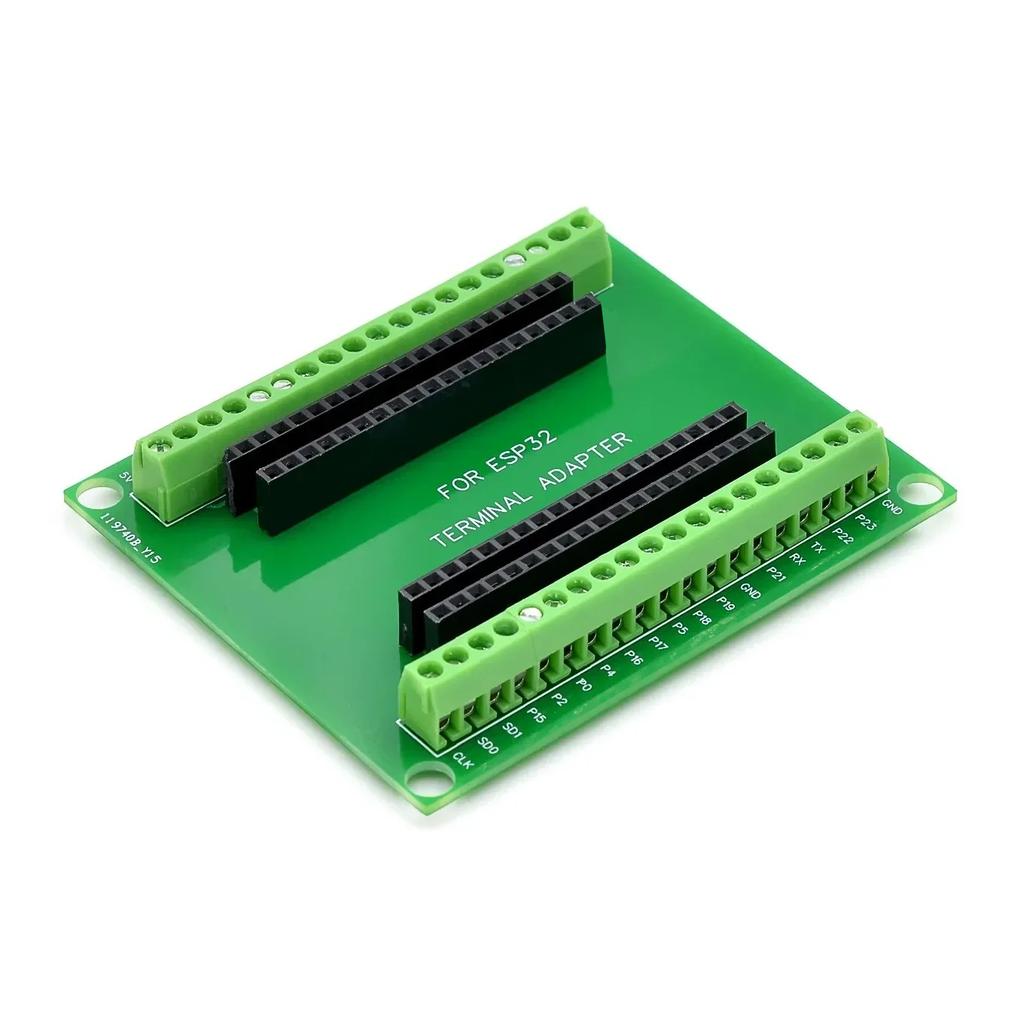
The image showcases a set of ESP32-based core development boards, a series of highly integrated and versatile microcontroller units widely used in IoT (Internet of Things), smart hardware, and embedded development projects. These boards are distinguished by their compact design, rich peripheral interfaces, and powerful computing capabilities, making them ideal choices for both hobbyists and professional engineers.
Core Hardware Features
At the heart of each board lies the ESP32 chip, which integrates a dual-core Tensilica Xtensa LX6 microprocessor (capable of running at up to 240 MHz), built-in Wi-Fi (802.11 b/g/n) and Bluetooth (v4.2 BR/EDR and BLE) modules. This wireless integration eliminates the need for additional communication modules, enabling seamless connectivity for smart home devices, wearable tech, and industrial sensors. The boards in the image vary slightly in form factor—some feature a USB Type-C port for power and data transmission, while others include a BOOT button for firmware reset and a BOOT mode switch, facilitating easy programming and debugging.
Pinout and Expansion Capabilities
A key advantage of these boards is their extensive pinout configuration. The boards expose a wide range of GPIO (General-Purpose Input/Output) pins, including analog inputs, PWM outputs, UART (TX/RX), SPI, I2C, and I2S interfaces. This flexibility allows developers to connect various external modules such as sensors (temperature, humidity, motion), actuators (motors, LEDs), and display screens (TFT LCDs, OLEDs). The pin labels (e.g., D0, D1, D2, GND, 3.3V) are clearly marked, simplifying wiring and reducing the risk of short circuits. Some versions also include an onboard antenna for improved wireless signal strength, ensuring stable communication over longer distances.
Software Ecosystem and Compatibility
These boards are fully compatible with the Arduino IDE, PlatformIO, and MicroPython, offering multiple programming options. MicroPython, in particular, lowers the barrier to entry for beginners, allowing them to write Python code to control the board’s hardware directly. The ESP32’s large community support means abundant resources, tutorials, and open-source projects are available online. Additionally, the boards are pin-to-pin compatible with the Raspberry Pi Pico series in some aspects, making them a drop-in replacement for projects originally designed for Pico-based systems. This compatibility ensures seamless migration and expands the range of usable libraries and modules.
Applications and Use Cases
The versatility of these ESP32 boards makes them suitable for a vast array of applications. In smart home automation, they can control lights, curtains, and appliances via voice assistants (e.g., Alexa, Google Home). In wearable devices, they can monitor biometric data (heart rate, step count) and transmit it to a smartphone. For industrial IoT, they can collect sensor data in real time and send it to cloud platforms for analysis. They are also widely used in robotics, enabling robots to navigate, avoid obstacles, and communicate wirelessly. Their low power consumption (thanks to efficient power management modes) makes them ideal for battery-powered devices.
Conclusion
In summary, the ESP32 development boards in the image represent a robust, flexible, and cost-effective solution for embedded development. Their combination of wireless connectivity, rich interfaces, and cross-platform support makes them indispensable for modern electronics projects. Whether you are a student learning embedded systems, a maker building a custom gadget, or an engineer developing industrial IoT solutions, these boards provide the performance and flexibility needed to bring innovative ideas to life. With continuous improvements in chip technology and software tools, the ESP32 series remains a top choice for the maker community and the electronics industry alike.


 No-delivery refund